Every year, 3daysofdesign brings together designers, architects and creative thinkers from around the world to explore how design shapes the way we live. Inspired by the festival's 2026 theme, Make This Moment Matter, Kvik invited four respected European design voices to take part in The Copenhagen brief — a conversation that steps outside the Danish design bubble to ask how Danish design is perceived beyond Denmark's borders.
Rather than searching for a single definition of Danish design, the discussion explores bigger questions. What makes Danish design distinctive today? Can minimalism remain relevant in a changing world? How do craftsmanship, sustainability, colour and emotion influence the way we experience our homes? And what role should design play in creating spaces where people feel they belong?
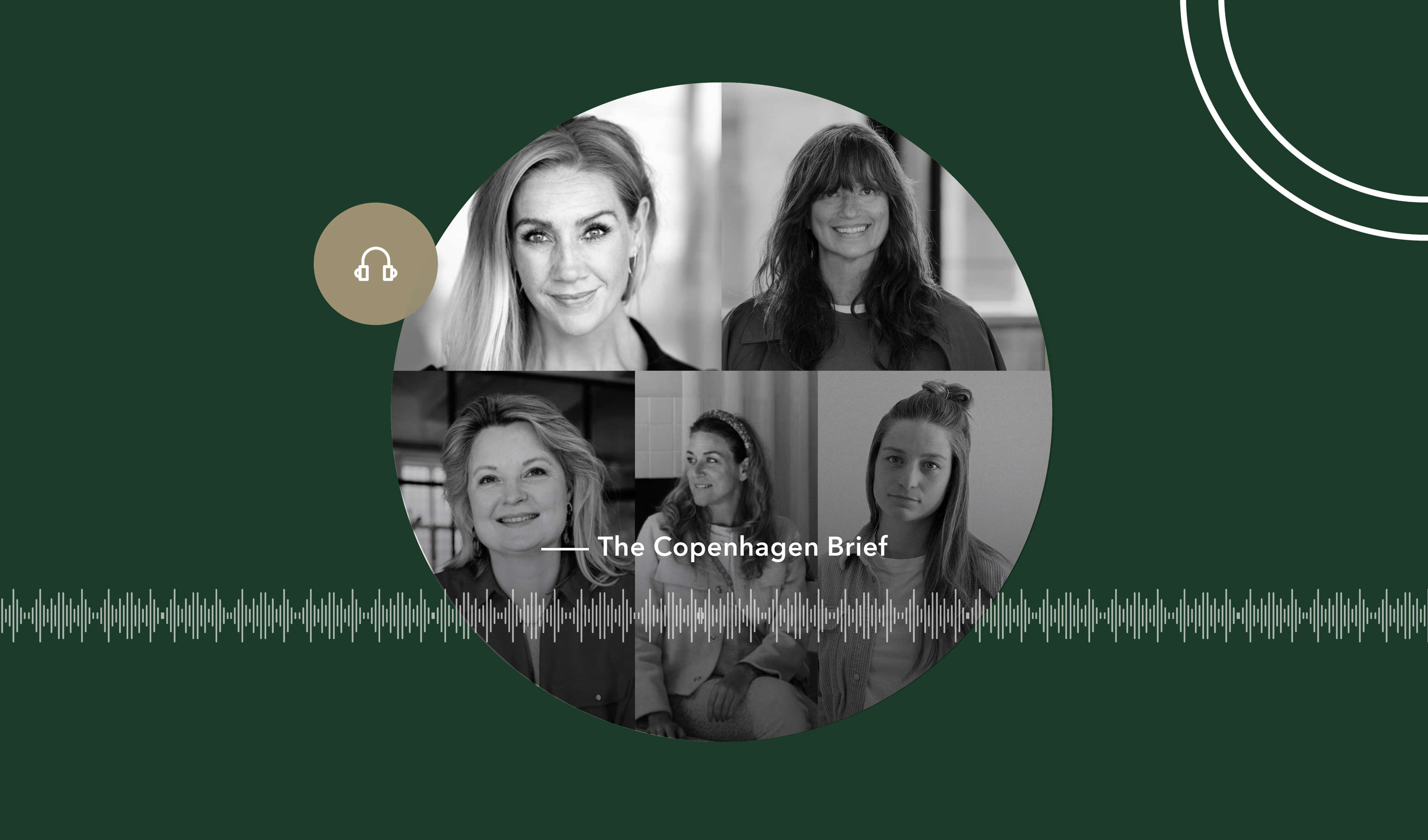
Hosted by Julie Broberg and moderated by design strategist Majken Kalhave, this special episode of The Sociable Kitchen® podcast features perspectives from Dutch design journalist Renske Schriemer, Swedish interior designer Sara Garanty, Spanish trend researcher Marisa Santamaría and German designer Saskia Huebner.
Below you'll find the full transcript of the conversation, covering Danish design, Scandinavian design, design philosophy, sustainability, creativity and the future of home design.
Listen to The Copenhagen Brief
Welcome to The Sociable Kitchen, a podcast by Kvik. I'm Julie Broberg. This episode is a little bit different. Every year in June, Copenhagen becomes the center of the design world during 3daysofdesign, a week where designers, architects, brands, and creative thinkers from around the world gather to explore not only what we're creating, but why design matters in our lives.
This year's festival was built around a simple invitation: Make this moment matter. In that spirit, Kvik invited four respected European voices to take part in the Copenhagen Brief, a conversation designed to step outside the Danish design bubble and see ourselves through fresh eyes. Instead of asking Danes to define Danish design, we asked international designers, researchers, and journalists a different set of questions.
What still makes Danish design distinctive?
How is it perceived beyond Denmark's borders?
And what role should design play in shaping the homes and the lives of tomorrow?
We called it the Copenhagen Brief because it isn't intended to be the final word on Danish design. It's a snapshot, a moment in time that captures how some of Europe's most thoughtful design voices see Denmark today.
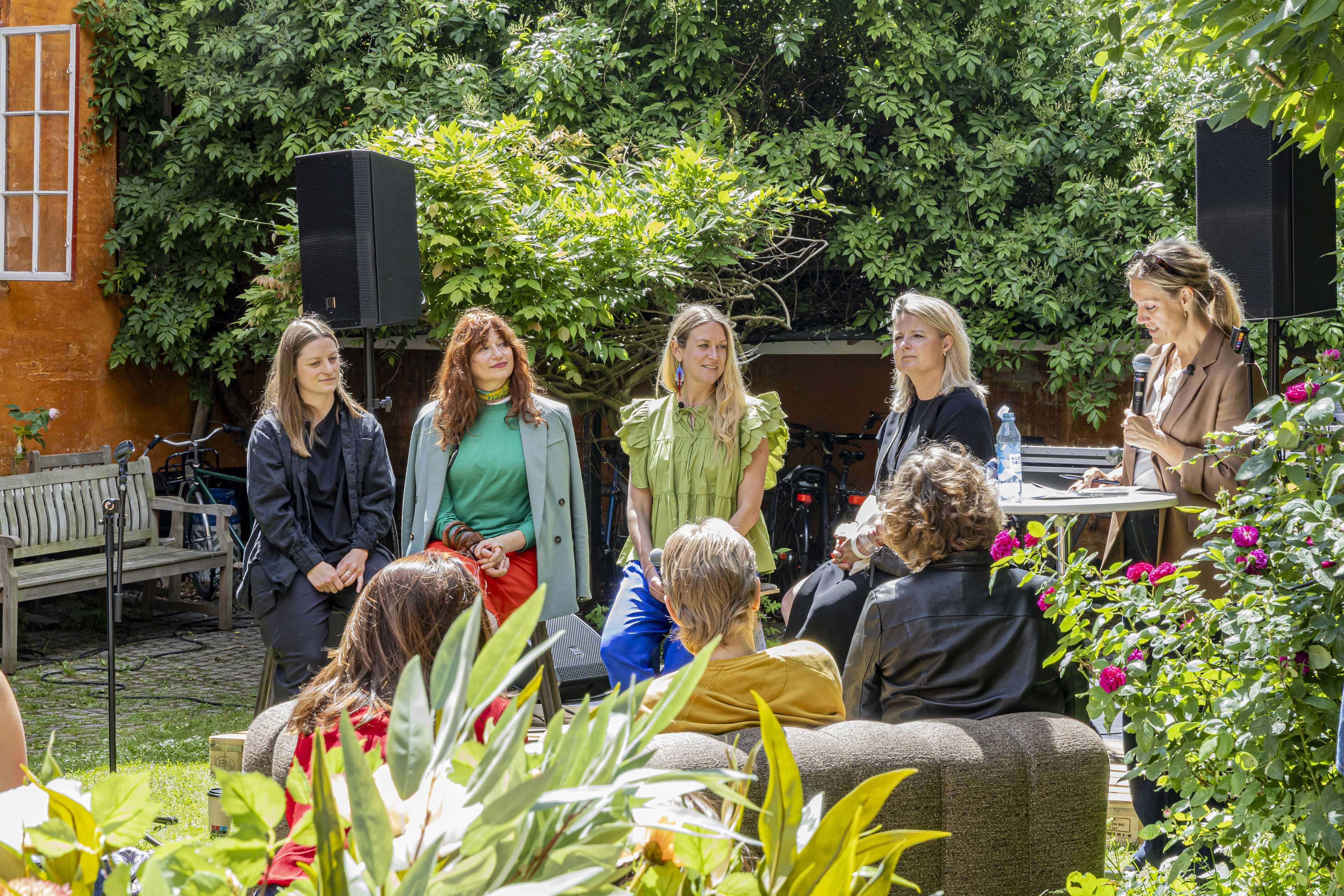
The conversation was moderated by Majken Kalhave, one of Denmark's leading design strategists and executive director at Creative Denmark. Joining her were four remarkable women, each bringing a different perspective.
From the Netherlands, Renske Schreimer is a design journalist, tastemaker, and founder of DegijsBrech. Sorry about my pronunciation, I just don't do Dutch. She's a recipient of the Creative Heroes Award, and she has spent decades exploring the relationship between design, communities, and culture.
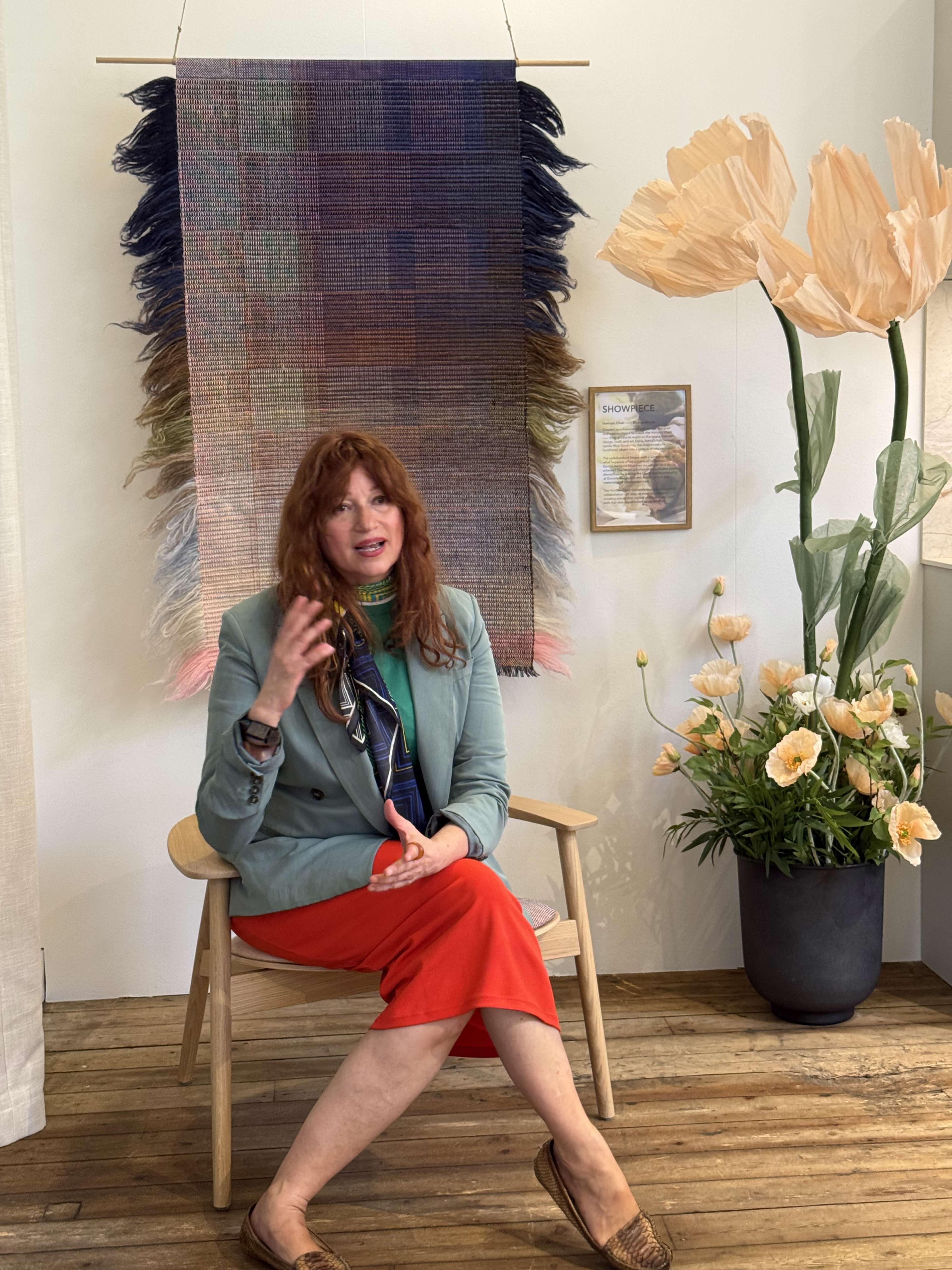
From Sweden, Sarah Garanty is an interior designer and colour expert who collaborates with leading Scandinavian brands, including Rockfon, StoLab, and Flügger. She lectures internationally on colour psychology for designers and architects, and teaches her own online courses dedicated to the science and emotional impact of colour.
From Spain, Marisa Santamaria is one of Europe's foremost trend researchers and design journalists. She is brand ambassador for Maisons & Objets and Paris Design Week, a professor of polidesign at Politecnico di Milano and IE University, and works across France, Italy, and Spain exploring the future of design and innovation.
And from Germany, but now based in Aarhus, Saskia Huebner is an interdisciplinary designer working across interiors, products, and communication. Her work explores the relationship between design, art, and human behavior, with a strong focus on creating purposeful design that contributes positively to contemporary society. Danish listeners might remember her from Denmark's Next Design Classic on DR.
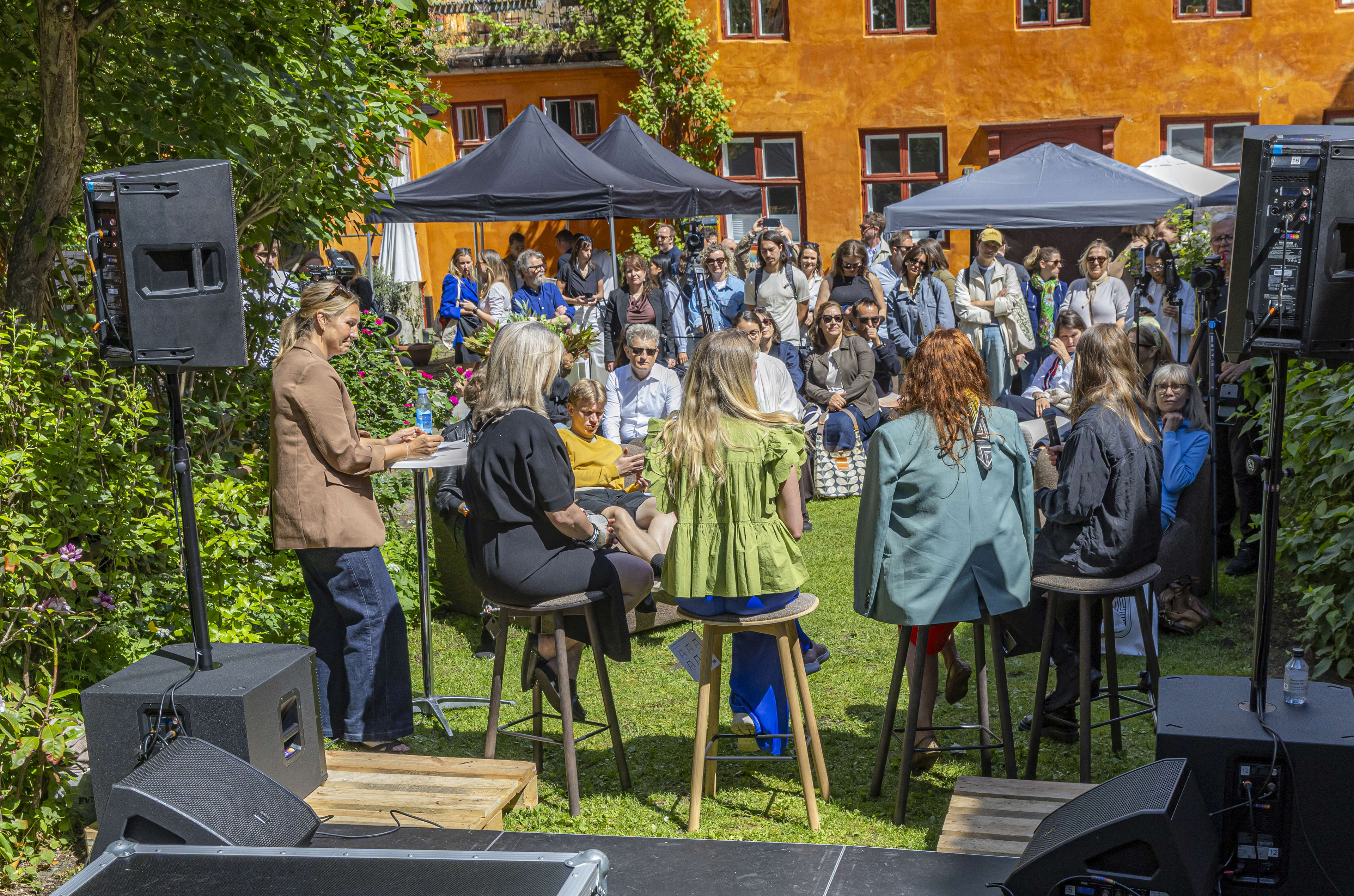
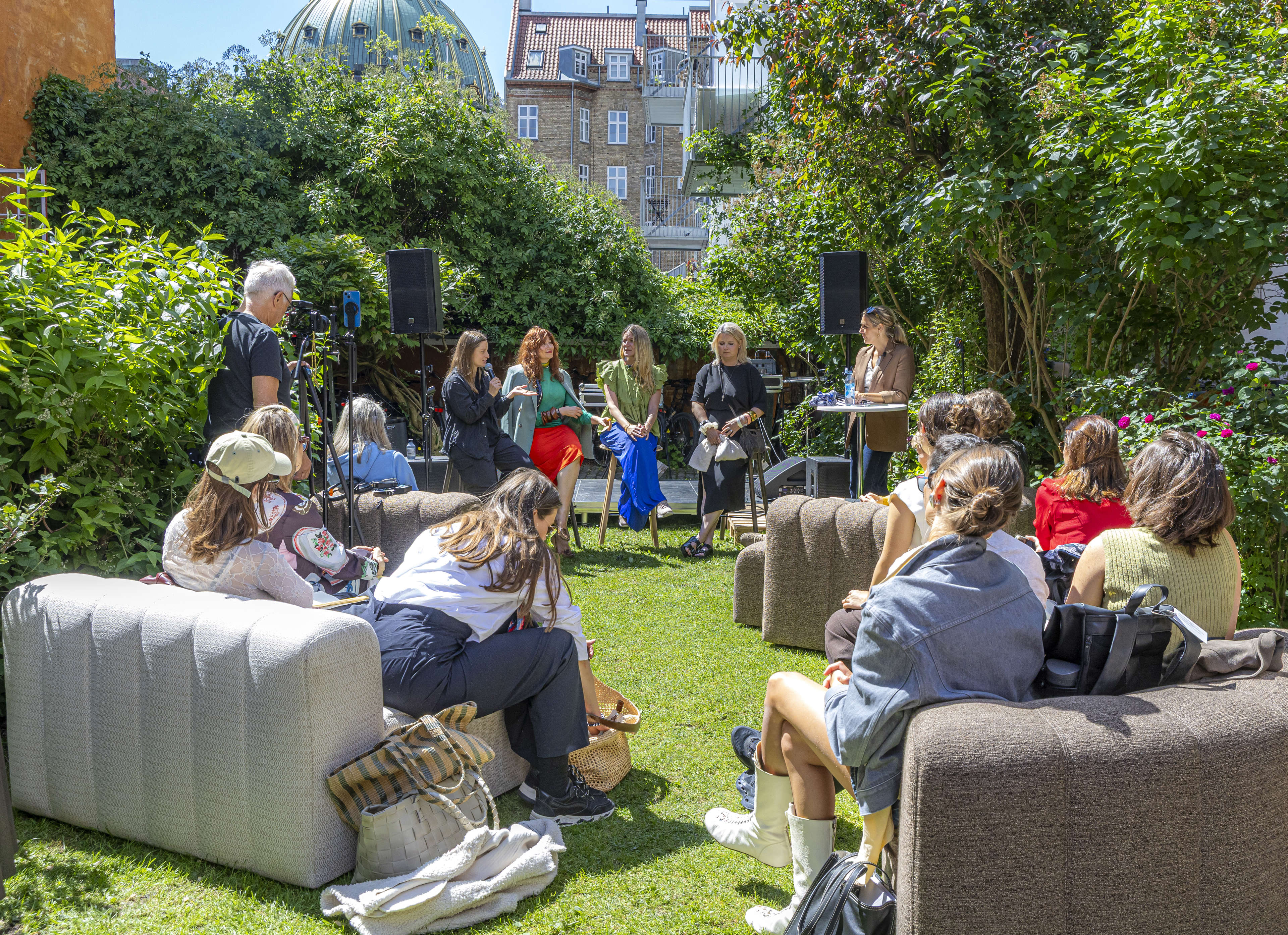
Throughout the conversation, you'll hear very different perspectives. Some agree, some challenge one another, but they paint a fascinating picture of how Danish design is perceived today and where it might be heading. I should note that the conversation took place outdoors in a lovely Copenhagen courtyard garden, so you will hear birds chirping and some street sounds.
We did our best with the sound, but we hope you forgive us for a bit of real world noise. Let's join Majken as she asks Renske to give us a snapshot of her view on what's distinctly Danish about Danish design.
You preserved arts and crafts and life and love
Majken: When you think about Danish design today, what does still feel distinctly Danish, and what has changed?
Renske: Wow. What a question. When I think about Danish design, I feel that you Danish have protectedyourself very well for a very long time. So Danish design was actually something we discussed outside of Denmark, and you were still talking about arts and crafts and fine arts and folk art instead of design, and I think that is very precious today because we need, we need to get rid of design and get back to arts and crafts and poetry and love and relations and friends and sisters.
So I think you preserved very well, and we loved your stuff all the time. We kept loving it. You preserved arts and crafts and life and love. So Danish design, what is Danish design? Maybe, maybe my sisters can explain.
Majken: Thank you so much, Renske. I'm, I'm curious if I can ask you. Yeah. Because for me, Danish design is the, is the, uh, like you have functionality on the one side and then you have craft and art on the other side. For me, that interlink between functionality and then arts and aesthetics as the core things...
Renske: Yeah, but it's always been so difficult for me, this whole situation about is it functional or should it be functional or is it art, and are you an artist? And really, I'm done with that. I mean, design, and I actually like to get rid of the word, but that will take some time.
But I think it is about what do people need? They need a roof above their head. They need some space. They need fresh air. They need fathers and mothers and brothers and sisters, and they need playgrounds, and they need food. And how can we provide? And design has becomes, become something like a solitary word, and it stands for like some, some technical term and maybe something VIP But I think that's not what it's about. Of course it needs to be functional because if it's not functional, it's, it's art, and that's good. We need art, we need paintings and music for our hearts, and we need a chair to sit on. It's, it's not, it's not difficult.
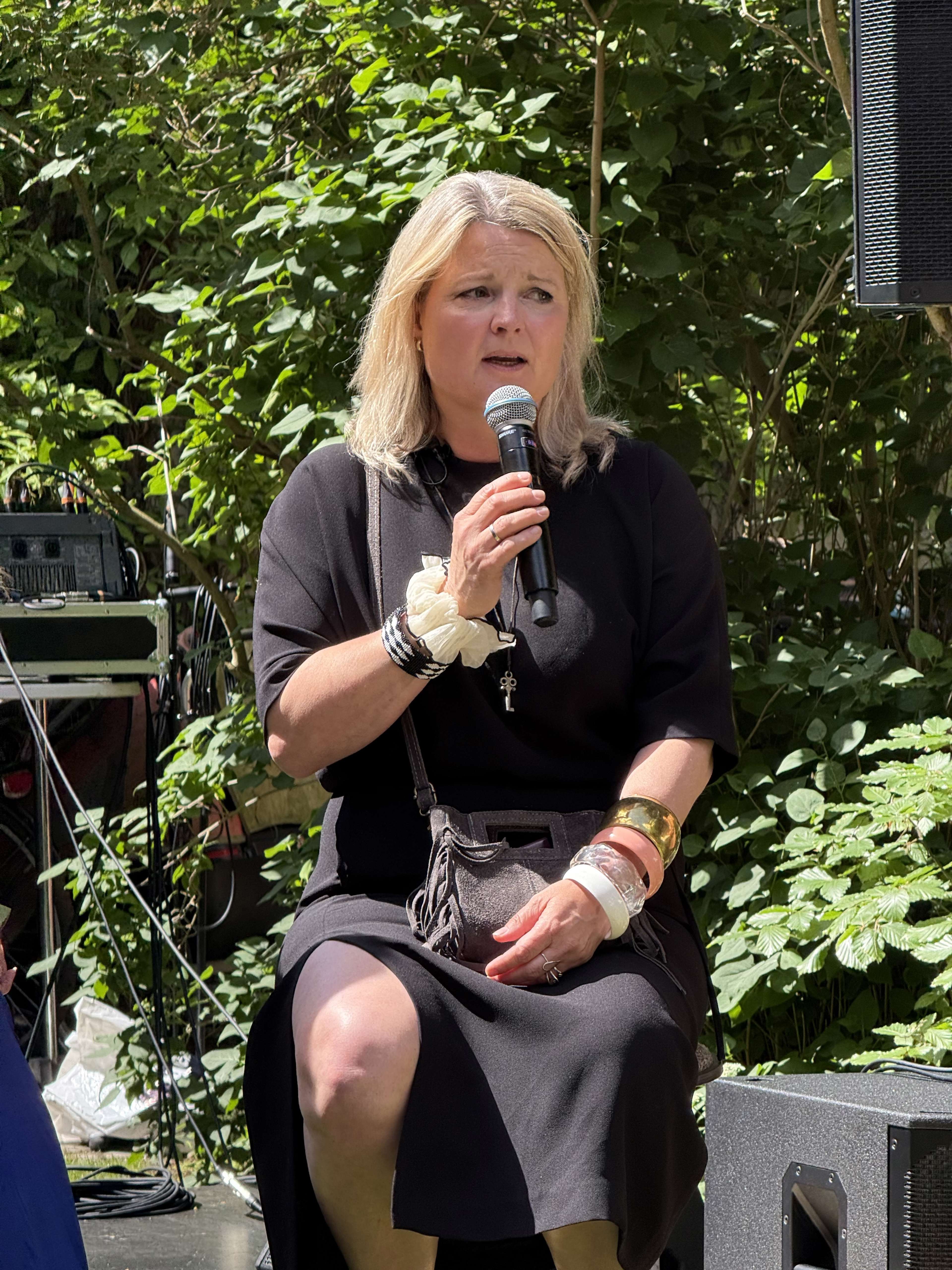
Minimalism is very, very relevant all over the world
Julie: Renske reminds us that design begins with human needs, not products. Saskia, a German designer who has lived in Denmark for some years now, picks up that thread from another angle. For her, the future of Danish design isn't about protecting tradition, it's about keeping it open. Open to new perspectives, new people, and new ways of thinking.
Saskia: I think a lot of internationals are joining the Danish design. I think Danish design has become more open to welcome internationals and welcome new perspectives, and I think you can see that a lot, uh, at the three days of design that, uh, young designers are exhibiting art pieces.
And I think that was one of the points you also had, that it's this mixture of art and design that is difficult to define. And yeah, it's a big question.
Majken: What would make Danish design relevant internationally? If you could mention, like, two or three words.
Saskia: Well, one thing I really hold on to, and it's changing in Denmark, but I still think that the minimalism is very, very relevant, uh, all over the world. Because if we wanna work sustainable, we need furniture, especially furniture. It's okay with smaller pieces, but we need furniture that fits into your room for a long time, and that's not only about the quality, it's also about the way it looks, it feels, and the way you perceive it in your home because you need to like it for a long time if you wanna keep it.
And I think that only works if it has a minimal expression. So minimalism is my first word, and I guess creativity. It needs to evolve and still bring something new, even though that is the very difficult part of minimalism. And as the third word, I would choose maybe openness. Be open, yeah, to let the internationals join, like me. Um, but also everybody else, and let colours come in and try to explore.
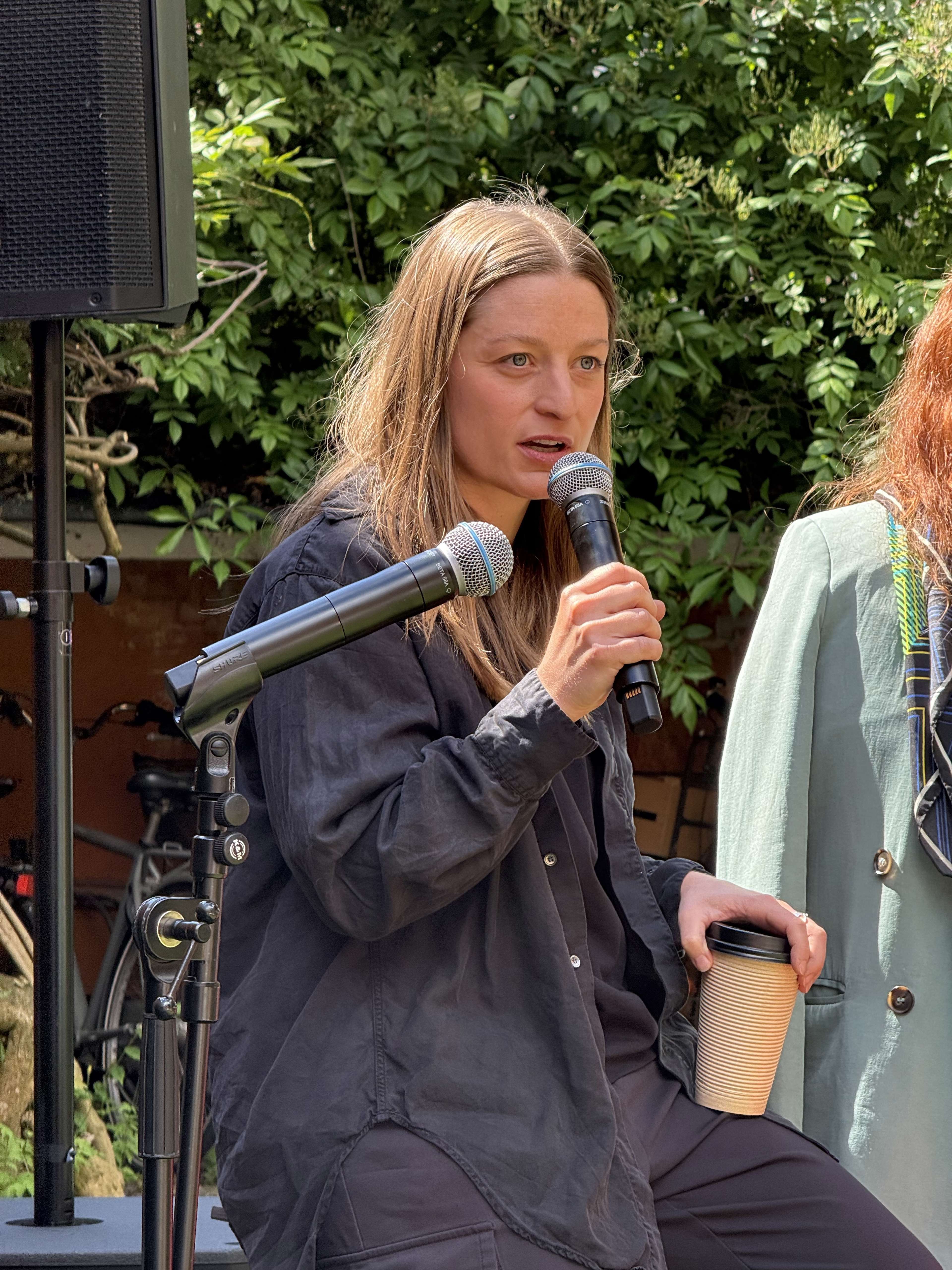
We need imperfection, we need craftsmanship close to us
Julie: If openness is one ingredient, another is atmosphere. Marisa spends her career studying design trends across Europe, and what she sees in Danish design isn't a particular style, it's something much harder to define.
Marisa: Well, first of all, I came from south. I'm from Spain, I'm from Madrid, and I work half and half in Italy, and I have a collaboration also in Maison Objet in Paris since four years ago. And I can tell you from Spain, from Italy, we admire deeply, truly Danish design and Nordic design. Why? Because you can't see the design, but you can perceive it.
And that is the key of design today. It's connected with us as a human being. Is... It is connected with this human-centered design. We need perceptions, we need feelings, we need emotions through tactility, the tactile point of view, the craftsmanship point of view. Of course, this kind of minimalism that we all love, that you can't see exactly or analyze where is it, but you can, you can really feel the atmosphere.
I could say Danish design today is about atmospheres. You are surrounded by small details that you love, even if you can't perceive it. And that is a key today in the global design in who we are. In the 20th Century, we can see, I don't know, Stanislaw Lem or Orwell. We launched in the 20th Century we can see cold and technological spaces. That is not true. We can see it in the 26 years of this century how we need imperfection, how we need craftsmanship close to us. Of course, we have the high, high, high technology. We need it. We use it. It's a tool. We must use it. It's a tool. But we must feel how we are, and we are human beings. We need imperfection.
We need special details through design. I totally agree with you both, but I have some points with you because design is a tool, a very important tool. And in the, in the, uh, definition of design is to solve problems, to be in a process to solve our problems, and we need it. It's the key to resolve, and I love, I love the world, and I love the mix of all kind of cultures, all kind of trends, all kind of, of Intergenera, uh, intergenerali-- no, no, sorry…several generations together. I love this point of view, and it is so 21st Century. Sorry, in, in Spanish it's intergeneracionalidad. It's... But I, I love, I love this mix. I love this mix. And we are, we are in a path, in a very good path. I'm sorry I'm deeply optimistic, because I teach really very young people, people who is, uh, very important talents.
They are professionals, young professionals, and I love, I really love and I believe in them. I have an an- optimistic point of view. Sorry.
Majken: Never say sorry for that. I mean, we love that. Sorry. And I just have a follow-up question for you, Marisa, because I'm super curious. Of course. When you s- when you talk about tactility, craft, imperfection, minimalism, for me that is an invisible design, not at least. For me, that is perhaps to be able to design for a sense of belonging. Is that a bit of what you are talking about?
Marisa: Absolutely. The sense of belonging to a culture, but also the crossing points of view of all cultures. I really believe in crossing ideas and crossing cultures and crossing creativity. There's new paths there. Why to produce more? It is not about more. It is about better, and it is about a very important idea, which is every time in history needs its own language. We need our own language, and that mix you talk about is our language.
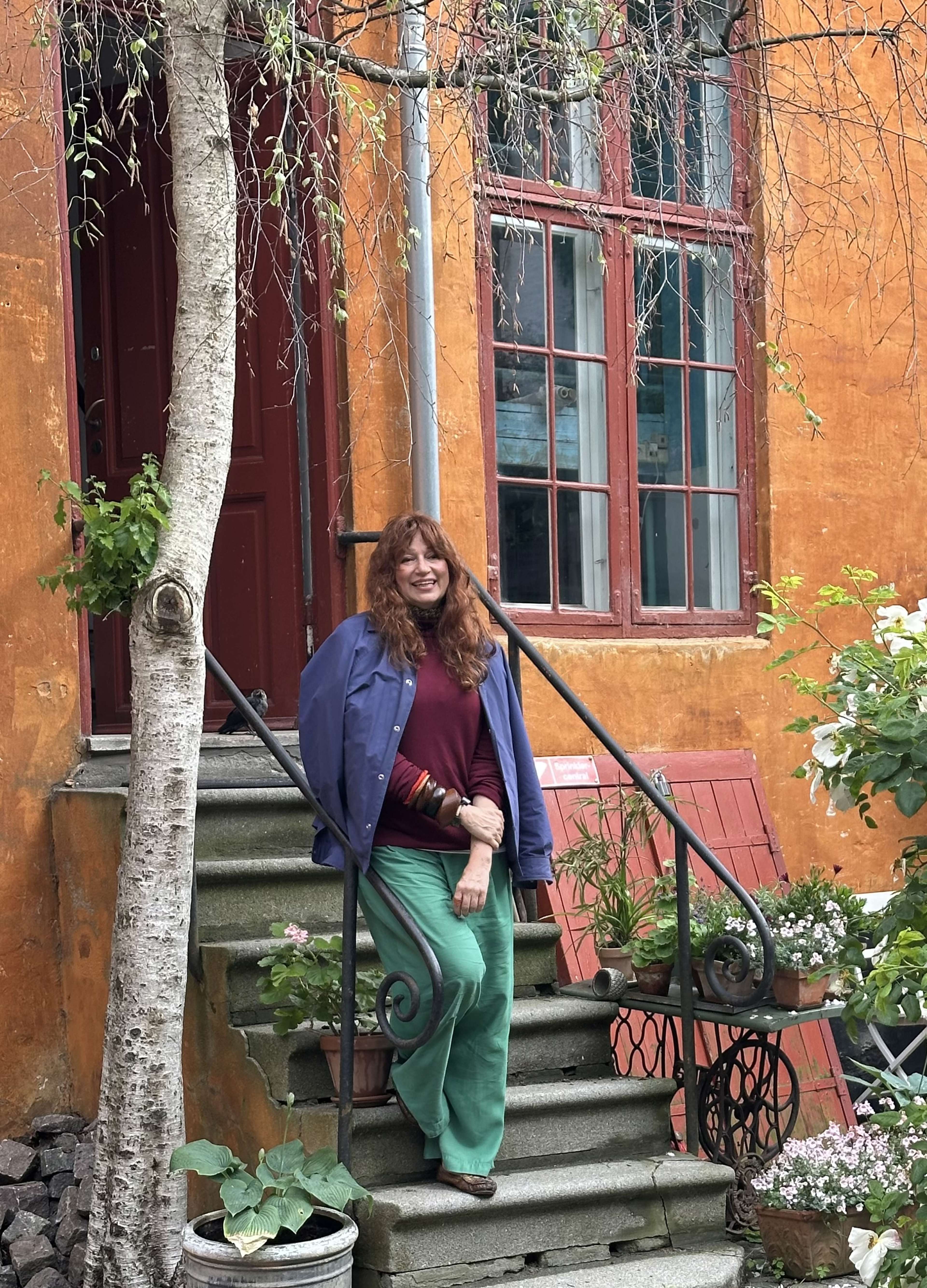
Danish design is a little bit flirty
Julie: Marisa talks about atmosphere and the way good design makes us feel. Sarah takes that one step further by comparing Danish design with its Scandinavian neighbor, and her description might be my favourite in the entire conversation.
Sara: Well, since I come from the Swedish perspective and we're also a minimalistic country. Mm. But Swedish minimalism is more functional and cold. If I look to Danish, we admire Danish design. It feels like our big brother that we're always, like, looking up to. 'Cause what I feel about Danish design, it's that it's still minimalistic, but it has this craftmanship to it, and it's functional, but it's not cold. It's functional, but warm. Mm. So it has this sense, also this, uh, Danish word, hygge.
Hygge. Uh, which I love. Do you know the word hygge? Gesellig. Yeah. Very difficult. Cosiness. It's all about- I love it ... being cozy, being warm. It like the furnitures, they speak to you, "Come and sit in my cozy sofa. I'm not going to scream at you," and being fashionable like maybe the Italian design or have a lot of ornamentation like in France.
It's more like, "Just come here, I will hold you. I will be a comfortable place for you." So I think Danish design is a lot about philosophy in that kind of way, like the philosophy of the people, the philosophy of how we wanna live.
Also, if you look to Danish and Swedish people, we spend more time in our homes. You have to remember that. Like, in Italy, in Spain, you go out and eat and spend time with your family, but in Sweden and Denmark, we invite people to our homes to spend time at home, and that's why design becomes so important, that it's cozy and it feels warm in that sense.
And I think also, like the Danish design is a little bit flirty with you. It's like flirts with you. But, like, in a very quiet way. It's like when you first look at it, then you don't see it, but then when you look a bit closer, like oh, there's always like some edge to it or like some shape or some off thing that you don't notice at the beginning. So if your question is about the future, I would say, like, I'm conservative when it comes to the Danish design. I just want it to stay the same.
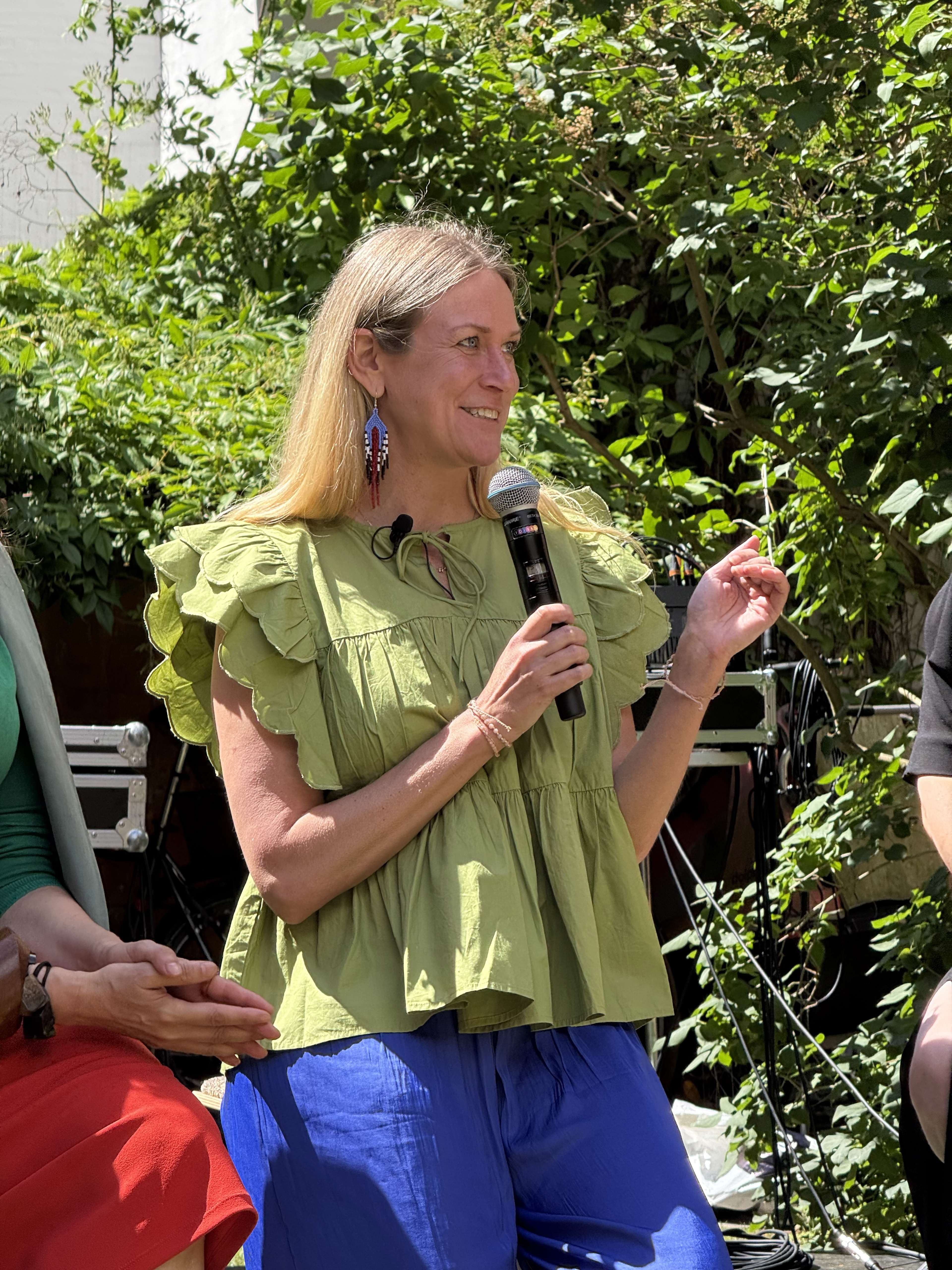
Why make something that is not beautiful, better, and accessible?
Julie: At first, everyone tries to describe Danish design, but notice what happens. Very quickly, nobody is talking about objects anymore. They're talking about feelings, warmth, atmosphere, belonging, flirtation. Which raises another question: If feelings are what good design creates, then what should designers actually be making? And can Danish design continue to evolve while keeping what makes it special?
Majken: In your perspective, can Danish design remain democratic and accessible, but also keep that aspirational touch to it?
Renske: Of course.
Majken: Thank you. Short and sweet. That was short.
Renske: You wanna know why? No. Okay. Because, yeah, I loved, uh, your CEO saying that Danish design was, or needs, or is beautiful, better, and accessible. Agree. Why, why, why make something that is not beautiful, better, and accessible? So yes, I think it can stay as it is. I think we should... We don't need more stuff. I agree on you, Saskia. But if we need more stuff, they should meet up with just the normal criteria, like, yes, functional would help. I mean, if you, like, fall off your chair, uh, then it doesn't work. It needs to be beautiful. It needs to be flirty. It needs to be tactile. It needs to be sustainable. You can, like, uh, take these beautiful cabinets I have in my room. My, uh, mother-in-law passed away last month, and she had a very beautiful Danish cupboard. You could connect it, and I have most of the parts.
And, and one part, it fits in my, uh, in my living room right now. And I... now that you tell me it's flirty, I understand my, why I keep looking at it, because it's, it's like very minimalistic, but it's curved. And in its curve, there's, like, lines, so I wanna feel it.
Julie: Renske's story about her mother-in-law's cupboard says a lot about the kind of design she believes in. Objects we keep because they mean something. And for her, that's exactly the point.
Renske: I think Kvik is quite lucky that you make kitchens. I mean, we need kitchens for sure, so you can keep, uh, doing what you do. But I think a whole, uh, design is not like a, a purpose in itself. You don't have to sit with a blank canvas and think, "Oh, what should I make?
What, what, what are we missing? Or what are we missing?" I know a lot of people miss a home. I know a lot of people miss love. I know a lot of people miss the most important things. You need to belong. You need to have to belong. So we, as united nations, we as united creatives, we need to, come together and see what we can do.
We are so focused on difficult things, we're confused. We're just confused, and we have to breathe and not, uh, um, try to, to fix it and, uh, measure and, uh, h- how much PET bottles are in this. Cut the crap. Just cut the crap.
Well, I think over minimalism, we need authenticity
Julie: Renske argues that we don't need more things, we need better reasons for making them. Majken then asks Marisa what people around the world are actually looking for in Danish design today. Her answer isn't minimalism, it's authenticity.
Majken: Marisa, you are very international in your work, and you have a very good idea of what is happening internationally. So I'm curious, what do international audiences look for in Danish design today, uh, that they perhaps didn't 10 years ago?
Marisa: Well, I think over minimalism, we need authenticity. We need truth today. We can't stay with some copy around. I have aligned with you with the democraticisation of design is not to copy. And that is so important because there's a huge investment on innovation of the brands, on designers, which is creativity, which is step forwards, okay? And not copying. We have to invest in the truth.
It's our surroundings, our intimate objects we have around. I need, like you say, timeless, the concept of timeless. That is so important, I think, for us. But I really appreciate, and we have to celebrate the effort of brands like Kvik because they are in the middle point trying to bring us comfort, healthy textures, healthy materials, but with not a luxury prices. Please, we need this kind of effort from the brands.
Let's stop designing for Excel sheets
Julie Listening back, one thing surprised me. None of the panelists argued for producing more. Instead, they talked about honesty, longevity, and design that earns a place in our lives. And naturally, that led the conversation to the room where we probably spend the most meaningful moments together: the kitchen.
Saskia: I'm wishing for a more social way of using it as we do in Denmark, but I would say it's still different in, in Germany. And that is, of course, depending on the culture, but also the history and the architecture and a lot more points I'm sure. Um, what was your question?
Majken: Yeah, I was just curious because it's like the sociable kitchen is the heart in Denmark. Is it the same all over Europe or not?
Saskia: Yeah, I, I mean, always when I'm traveling back to Germany, I'm surprised how things actually are not developing in a way that I can see they are in Denmark. The way it develops in Denmark makes total sense to me to create more emotions, more being together, more….community. Community, yeah. And I would say that is because design plays such a big role in Denmark that people try to find those solutions and try to make it better. While design is maybe not the first point in the German culture because they don't understand that they can actually make their life better when focusing on design I think what is important here is not to design for the Excel sheet and for the economy reasons.
Sara: I say that a lot, especially in Sweden. I would love us to have not just, like, measurements in the center of our design based on how we can make things as cheap as possible because, like, the value of family, friends, love, raising your children, having parties, connection, community, all those things, they don't fit into the Excel sheets.
Like, how do you measure that? You cannot. You cannot, right? So I think we should bring that to the center when we design and not just look at the Excel sheets and see how much profit we can make from each piece in the kitchen or in the, in the design. Yeah. So choose by heart somehow. Yeah. Yeah. You could summarize it like that.
Majken: What role does the kitchen play in a contemporary European home today? I know how big it is in Denmark with the conversation kitchens, and we all have it, I think. But in a European context, what kind of role does it play there in the contemporary home?
Saskia: I would love to answer that question because I live in a tiny house...with a little baby.
Majken: Wonderful How big is your tiny house?
Saskia: Well, it's 38 square meters on two floors. Wow. And it's a very old house, so it's not like one of the ones that is built, like, DIY-like. It's an old backyard house. And I think the most important thing for me in this house is that I put something personal into it, that the materials I use and the tactile things I can touch, that they mean something to me.
And, yeah, I think that's it. That I can feel what I have in my home. It's the feelings, and they need to be created by design and all the things that belong to design, like the material choice, the shape, the colour. And when I come back to my home and look at my kitchen, it just makes me happy.
Julie: Saskia's story is a reminder that a meaningful home has very little to do with square meters. It's about how a space makes you feel. Sara believes that that's where design should begin, not with trends, but with the people who live there.
Sara: Believe in yourself. Believe in your taste. I can help you developing it, but, like, let's start with you. Who are you? What do you want? So my big belief is, like, when you create a home that you love, it will love you back.
Julie: For us at Kvik, this felt like the heart of the conversation. Kitchens weren't being described as products. They were being described as places where people gather, where families grow, where memories are made. That's why design matters, not because it's beautiful, but because it supports everyday life.
Renske: The kitchen table that Saskia mentioned is a beautiful metaphor. The place where you come together and you tell your stories after work and you make plans. So this kitchen table gets a soul, and that's what's, what you were telling. So I hope Danish will show us that democratic design is also about everybody has the right and the creativity to compose their home. I hope the kitchen table will be the place where we, where we create all together new solutions
Now, all trends are possible in the same moment
Julie: Up to this point, the panel has reflected on what makes Danish design distinctive today. Majken closes the conversation by asking everyone to look ahead. What should Danish design become over the next five years? Marisa's answer is wonderfully unexpected.
Marisa: What I really would like for the future of Danish design is that it stays exactly the same. Yeah. How about... Uh Because- Nothing new ... you came from tradition.
That is not new. The hygge, the flirtiness, the minimalism, the approach through natural materials, the soft colours, even if we are in a orange in a... This is strong orange patio, wonderful patio. Preserve your own soul- Yes ... because, of course, it's about flirtiness. We study one of our bigger transcendent trends, not ephemeral trends.
It's about sensoriality. We study it deeply in Politecnico of Milan. Sensoriality is about senses, and sensoriality is about how you feel inside the spaces and how you can touch and you can smell, how you can be around your own things. I teach how to analyse trends, but even to avoid them. Okay? Yeah. To avoid them because today it's not like in 20th Century where you, we had, I don't know, 10 trends and 10 types of houses.
Now, all trends are possible in the same moment. They all crossed. All kinds of ideas are possible and all kinds of brands all crossed and so on. Then I totally agree with you. Create your own personal character of house. You can feel it when you enter to a house, and you can see the persons behind, huh?
Julie: While Marisa hopes Danish design never loses its soul, Saskia focuses on one area where she believes it still has room to evolve: sustainability. Not as a constraint on creativity, but as something that should enable it.
Saskia: I really hope that Danish design will be better at sustainability. As I know the Danes, they're really good at thinking very simple, and we can see that in the design solutions in the shapes.
And I hope that there will be found simple solutions for the materials we are using. I'm dreaming of that the manufacturers would come to the designers and tell, "Hey, we found this material. We can work with that." That is a sustainable possibility that we can take as a starting point, and then the freedom is still kept for the designer to be creative and to create the shape.
But I think it's really hard sometimes as a designer if the responsibility lies on you to invent the new sustainable way of making things. That kills our creativity. So I hope that the manufacturers and producers, they're getting better at offering sustainability to designers.
Let's keep the colours
Julie: Sustainability may shape the materials we choose, but Sara reminds us that colour shapes something just as important: how we feel. And if design is ultimately about wellbeing, then colour deserves a place in that conversation, too.
Sara: As a colour expert, of course, I need to say colour psychology. So let's keep the colours. You're very good at the colours, Danish people. But today we have the study of the science behind colour psychology. We know neuroaesthetic, neurobiology.
We have all the evidence, so let's try to bring the colours to the spaces where they belong. Like, each colour has their own purpose and belonging, and we can really help ourselves, our nervous system, to calm down, if that's what you want with the colour, or be active if that is what you want to do in the space. So really, like, use the colours and the property of the colours in design and frequency architecture.
Designing a sense of belonging
Majken: The time has come for a sum up. So I will try to cover all of these brilliant women and kind of make a sum up. I will start with what Marisa said, "Stay the same," when we are talking about Danish design, but more sustainable.
I like that. But another thing is, the first thing I want to highlight actually other than that is quality and longevity. We've talked about invisible design, the minimalism design, how a design tradition praises material and craft, not as luxury, but as a commitment to things can last. That's the first thing.
The second thing is connection. How our home, how our kitchens, how our design actually can play a huge role in designing gatherings, in designing connection, in designing that sense of belonging that I like to talk about also. So that's the second one. The third one is commitment to sustainability, to honest materials, and the idea that good design and responsible production has to be there.
There is simply no question about it. Has to be there. The fourth one is wellbeing, not wellness as a trend, but the deeper idea that spaces we live in shape how we feel speaks to the heart as we've talked about also. That also combines the colours, the flirtiness, the sense of belonging again. The fifth one is culture, that design is also an expression of values that we have, not just aesthetics.
That goes overall for design, I think. Those feels, those five keynotes or key themes perhaps, uh, feels like the thread to start up a Copenhagen brief. I hope you all agree with me. Did I forget something?
Julie: It sounds like the perfect conclusion. Five thoughtful themes that capture the essence of the discussion. But Renske isn't quite ready to let the conversation end.
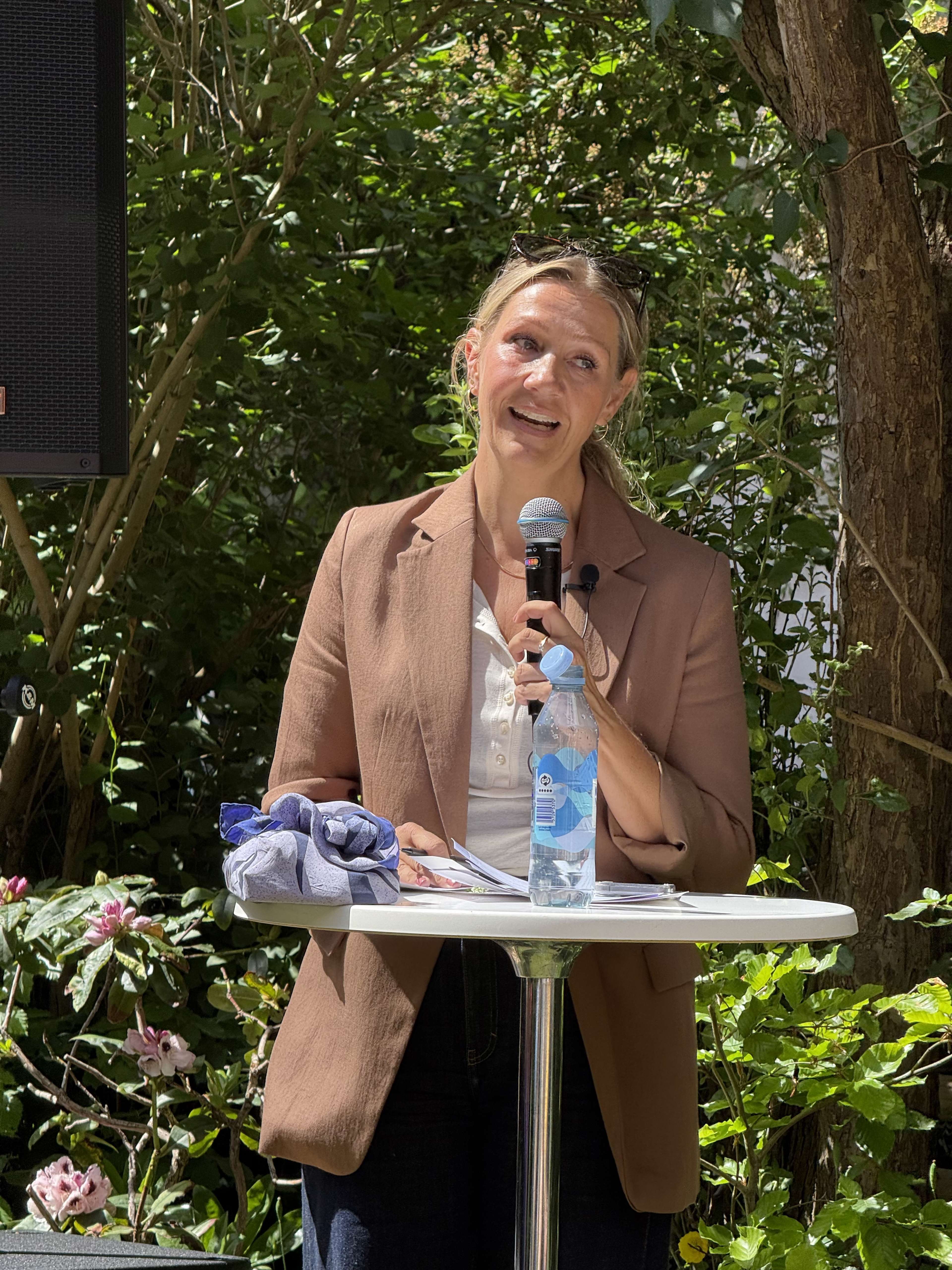
Renske: You forgot the most important thing. And that is love. I think maybe we can build a sanctuary together for people to come to and connect with love. You can check all the boxes. If you cannot check the heart box, just do something else.
Julie: When we began this episode, the question was simple: What is Danish design? I'm not sure anyone really answered that question. Instead, they answered a better one: What is design for?
Nobody defined Danish design by a chair, a colour, or a particular style. Instead, they described how it feels: warm, honest, quiet, human, flirty. Perhaps that's why so much of this discussion eventually returned to the kitchen.
Not because it's the most important room in the house, though, of course, at Kvik, we think it is, but because it's where those values become part of everyday life. This year's 3daysofdesign asked us to “make this moment matter.” At first, I thought that was a call to be present during the festival itself. But after listening back to this conversation, I hear it differently. The moments that matter aren't the ones we spend talking about design. They're the ones we spend living with it. Around a kitchen table, cooking with your children, sharing a meal with friends, sitting together over a cup of coffee.
Perhaps that's what the best design does. It doesn't demand our attention. It helps make the moments that matter possible. If there's one thread running through every conversation we had at three days of design, it's this: Good design isn't measured only by how it looks, but by how it helps us live, by the conversations it enables, by the objects we keep for decades and pass down to our children, by the homes that feel unmistakably like ours.
Perhaps that's why Renske's final words stayed with me. Before we ask whether something is smart, sustainable, or beautiful, maybe we should ask one more question: Does it pass the heart test? If it doesn't, don't make it
This was The Copenhagen Brief, our annual conversation from 3daysofdesign, where we invite international voices to help us see Danish design through fresh eyes. Because sometimes the most valuable perspective is the one that comes from just outside the frame.
Thank you for listening to The Sociable Kitchen® podcast. If you liked what you heard, please hit subscribe wherever you listen to podcasts.
A big thank you to our Copenhagen Brief panelists and Creative Denmark's Majken Kalhave for guiding this conversation during 3daysofdesign.
And thanks to Christian and Richard Lightbody for filming and recording the panel under noisy conditions in the world's most livable city.